Technology
Why UltraFlare-Daylight?
For decades, handheld pyrotechnic flares have been an important part of maritime distress signalling alongside radios, EPIRBs, PLBs and rocket flares. Electronic visual distress signals offer a different set of practical characteristics, including reusable operation and the ability to carry out a functional check before departure.
- Rechargeable and reusable, reducing reliance on single-use visual signalling.
- Functionally testable before deployment.
- No burning pyrotechnic composition during operation.
- Designed for visual location in demanding marine environments.
- Peak luminous intensity exceeding 40,000 candela on the full-size UltraFlare Daylight.
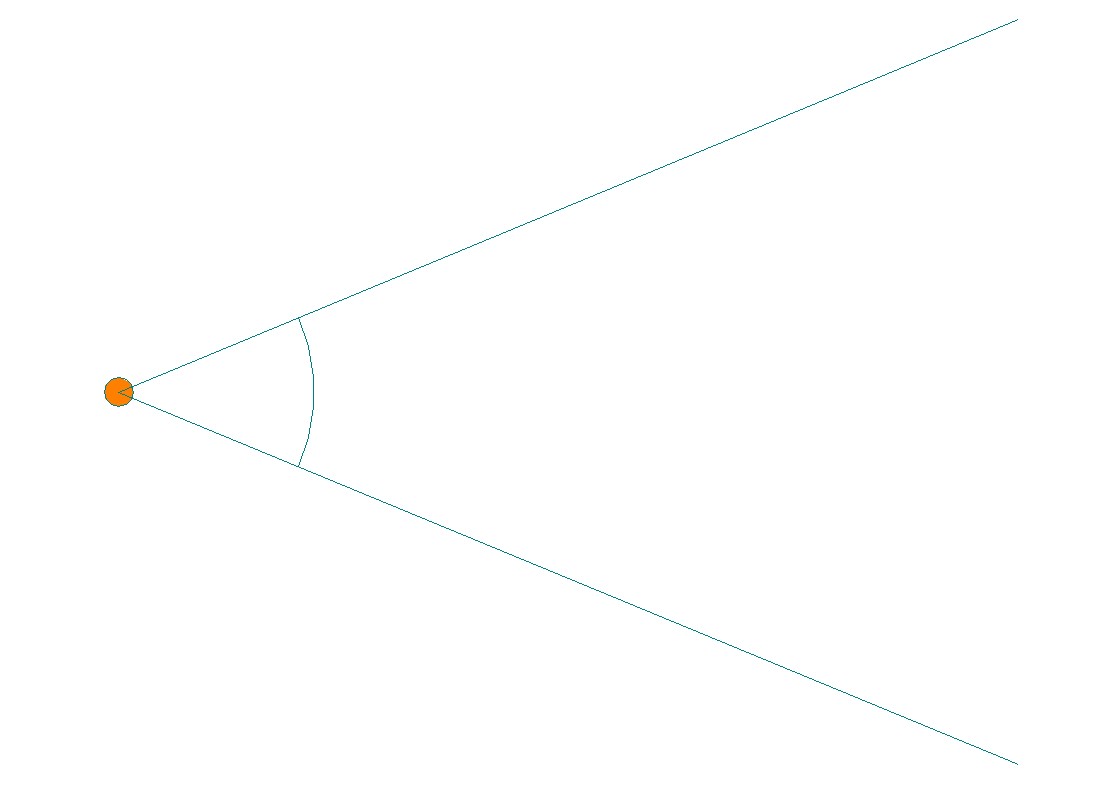
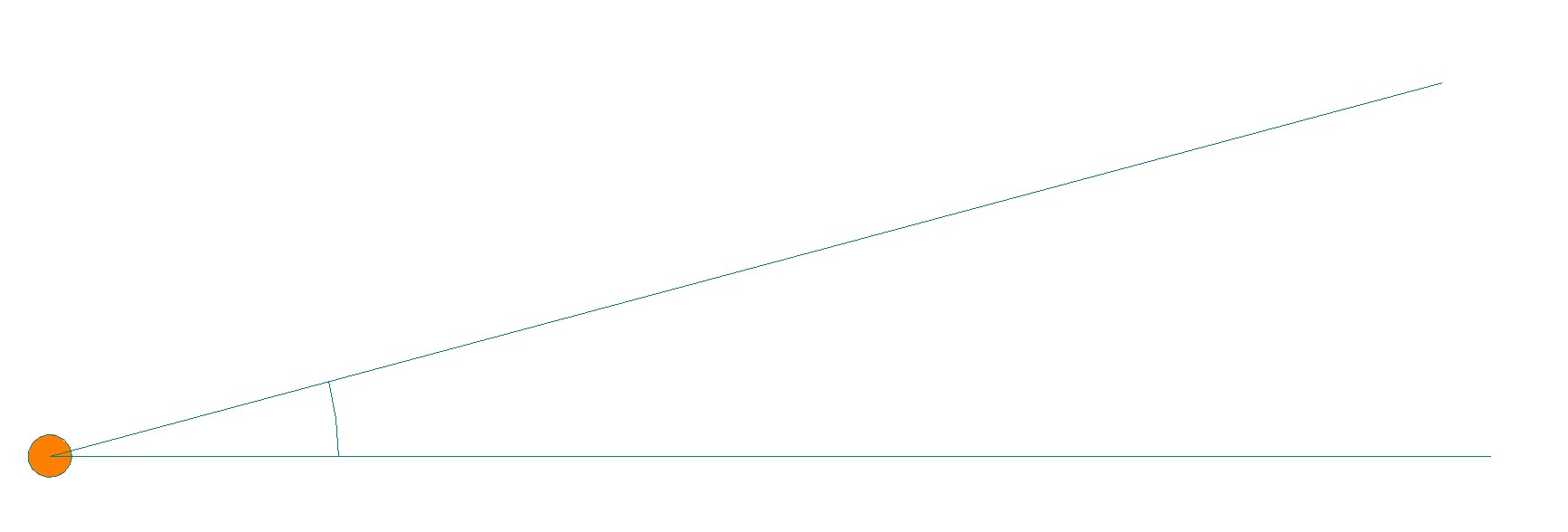
- 45 degree horizontal and 15 degree vertical controlled display.
- White SOS and triple-flash signalling modes.
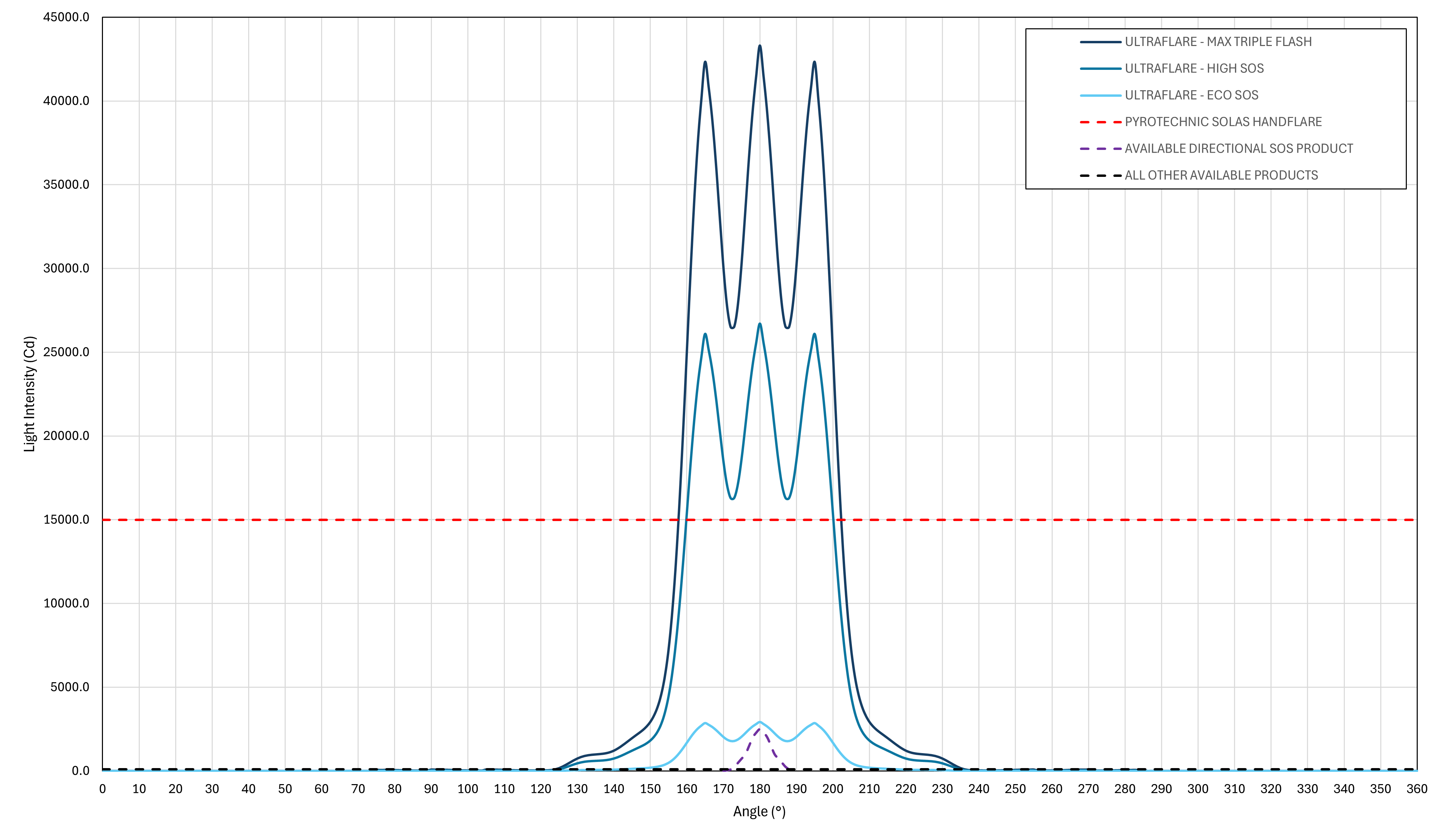
Performance Highlights
Electronic visual distress signals are not currently a substitute for approved pyrotechnic flares where carriage of those flares is mandatory. They may be carried as additional visual locating equipment. Always check current MCA requirements for your vessel and operation.
Feature List

Learn More
Read our News & Insights guides for detailed explanations of EVDS, candela, daylight visibility and beam geometry.
Independent coverage: Practical Boat Owner